
Injured on a Job Site or Property? Know Your Rights in San Jose
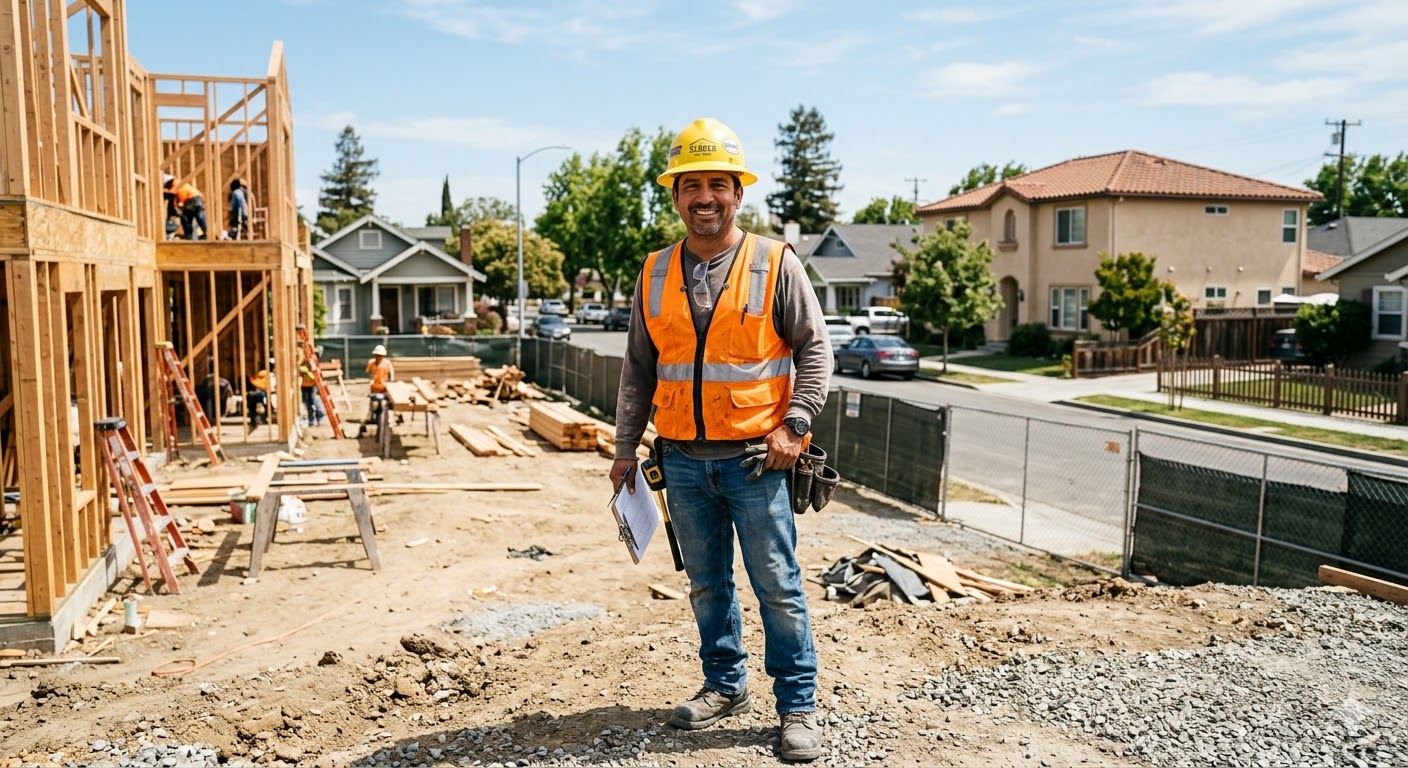
Construction and property work are the backbone of a growing city like San Jose. But with all that building, renovation, and maintenance comes real risk. If you or someone you know has been injured on a job site or someone else's property, it's important to understand what the law says — and what you can do about it.
This isn't about suing everyone in sight. It's about knowing your rights so you can take care of yourself and your family.
Workplace Injuries Are More Common Than You Think
According to the Bureau of Labor Statistics, construction is consistently one of the most dangerous industries in the United States. Falls, equipment accidents, electrical injuries, and repetitive strain are just some of the hazards workers face every day.
In California, if you're injured on the job, you're generally entitled to workers' compensation benefits — regardless of who was at fault. That means:
- Medical treatment paid for by your employer's insurance
- Temporary disability payments if you can't work while recovering
- Permanent disability payments if your injury causes lasting limitations
- Job displacement benefits if you can't return to your previous type of work
Important: You do NOT need to prove your employer was negligent to receive workers' comp. It's a no-fault system. Even if the injury was partly your mistake, you're still covered.
What to Do Right After an Injury
If you're hurt on a job site, here's what you should do:
- Report the injury to your employer immediately — or as soon as you're able. In California, you have 30 days, but sooner is always better.
- Seek medical attention. Your health comes first. Tell the doctor it was a work-related injury.
- Document everything. Take photos of the scene, your injuries, and any unsafe conditions. Write down what happened while it's fresh in your mind.
- File a workers' comp claim. Your employer is required to give you a claim form (DWC-1) within one business day of you reporting the injury.
- Keep records of all medical visits, treatments, and any time missed from work.
What If Your Employer Pushes Back?
Unfortunately, some employers try to discourage workers from filing claims. They might say things like:
- "It's not that bad, just walk it off."
- "If you file a claim, it'll cause problems."
- "You weren't following protocol, so it's your fault."
None of that matters. California law protects your right to file a workers' comp claim, and it is illegal for your employer to retaliate against you for doing so. If you feel pressured or threatened, that's a sign you should talk to an attorney.
Property Owner Liability — Slip and Fall, Unsafe Conditions
Not all injuries happen on job sites. If you're injured on someone else's property — a store, a rental, a parking lot, a neighbor's home — the property owner may be liable under California's premises liability laws.
To have a valid claim, generally you need to show:
- The property owner knew or should have known about the dangerous condition
- They failed to fix it or warn visitors about it
- That condition directly caused your injury
Common examples include:
- Wet floors with no warning signs
- Broken stairs or railings
- Poor lighting in parking structures
- Uneven sidewalks or pathways
- Falling objects from construction zones
How Much Is My Case Worth?
This is the question everyone asks, and the honest answer is: it depends. Factors include:
- The severity of your injury
- How much work you've missed (and will miss)
- Your medical bills — past and future
- Whether the injury causes any permanent limitations
- Pain and suffering (in personal injury cases, not workers' comp)
We know that's not the clear-cut answer you're looking for. But that's exactly why a free consultation is so valuable — we can look at your specific situation and give you a realistic picture.
Don't Wait Too Long
In California, the statute of limitations for most personal injury claims is two years from the date of the injury. For workers' comp, you generally have one year. Waiting too long can mean losing your right to compensation entirely.
The bottom line: If you've been hurt on a job site or someone else's property, you have rights. You don't need to figure it all out on your own — and you definitely shouldn't ignore it and hope for the best.
Got questions about a workplace injury or property accident? Reach out to us — we'll help you understand your options at no cost.
Request a consultation today
Tell us about your case. We'll listen and tell you what we can do.