
New to the U.S.? A Legal Guide for Immigrants in San Jose
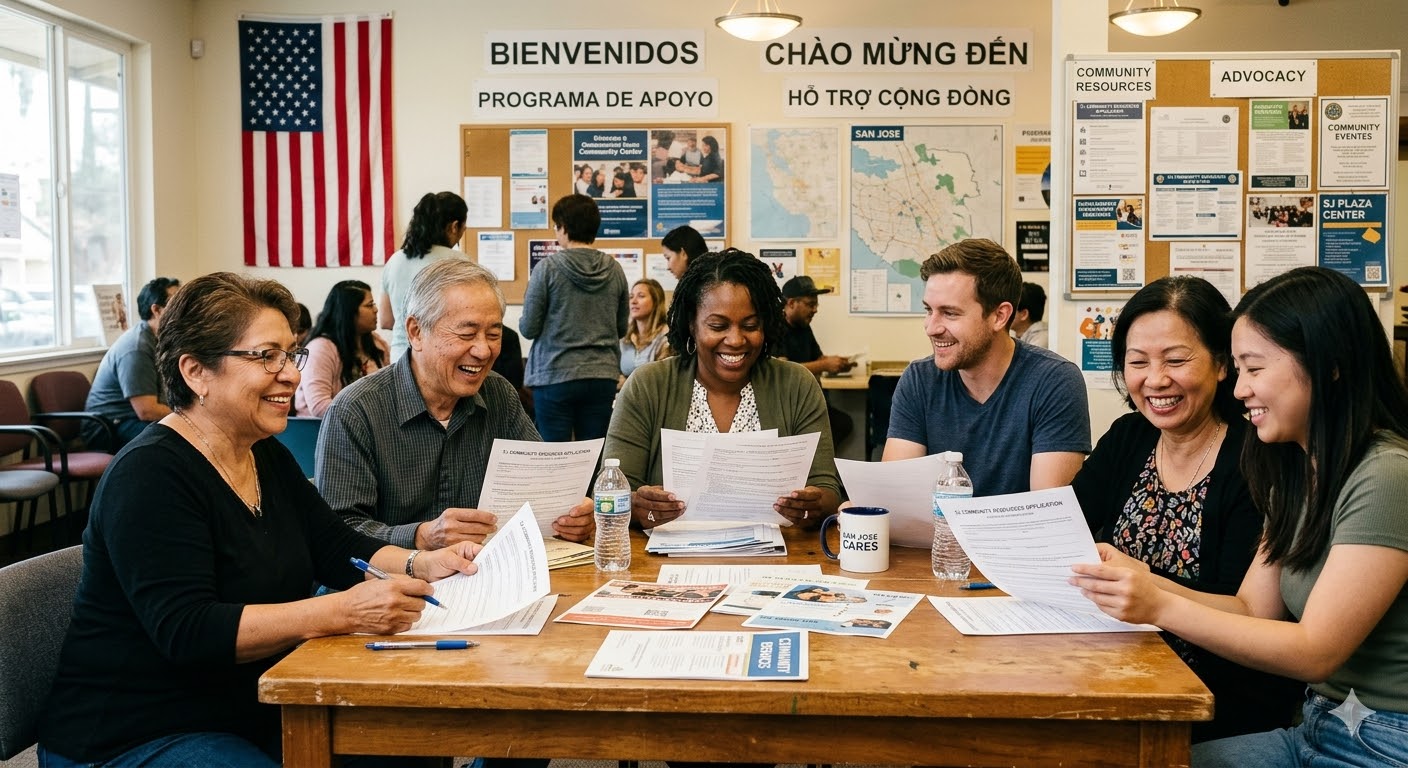
San Jose is home to one of the most diverse communities in the country. Roughly 40% of the city's residents are foreign-born, and that diversity is one of the things that makes this city so vibrant. If you're new to the United States — or if you've been here for years and are navigating changes to your immigration status — this guide is for you.
Immigration law is complicated. Really complicated. But you deserve to understand the basics in plain language, so here's what we think every immigrant in San Jose should know.
Understanding Your Immigration Status
Your immigration status determines what you're allowed to do in the United States — where you can work, how long you can stay, and what benefits you may qualify for. Here are the most common categories:
- U.S. Citizen — Either born in the U.S. or naturalized. Full rights, including the right to vote and sponsor family members.
- Lawful Permanent Resident (Green Card Holder) — You can live and work in the U.S. permanently, but you're not yet a citizen. You can apply for citizenship after meeting certain requirements.
- Visa Holder — You're in the U.S. temporarily for a specific purpose (work, school, tourism, etc.). Each visa type has its own rules and expiration dates.
- Asylum Seeker / Refugee — You've fled your home country due to persecution and are seeking protection in the U.S.
- Undocumented — You're in the U.S. without legal authorization. This is a stressful situation, but you still have rights — more on that below.
Know Your Rights — No Matter Your Status
This is important: everyone in the United States has certain constitutional rights, regardless of immigration status. These include:
- The right to remain silent if questioned by law enforcement
- The right to an attorney if you're detained
- The right to due process — the government can't deport you without a hearing
- The right to be free from unreasonable searches of your home
- The right to not sign anything you don't understand
If immigration officers come to your door: You do not have to open the door unless they have a warrant signed by a judge (not just an ICE administrative warrant). You have the right to remain silent. You have the right to call an attorney.
Common Immigration Paths
Depending on your situation, there may be several paths available to you:
Family-Based Immigration If you have a close family member who is a U.S. citizen or permanent resident, they may be able to sponsor you for a green card. Immediate relatives of citizens (spouses, unmarried children under 21, and parents) have the shortest wait times.
Employment-Based Immigration If you have a job offer or specialized skills, your employer may be able to sponsor you. This process typically involves a labor certification and can take time, but it's one of the most common paths to permanent residency.
Asylum If you've been persecuted or fear persecution in your home country based on race, religion, nationality, political opinion, or membership in a particular social group, you may be eligible for asylum. You generally have one year from your date of entry to apply, though there are exceptions.
DACA (Deferred Action for Childhood Arrivals) If you were brought to the U.S. as a child, you may qualify for DACA, which provides temporary protection from deportation and a work permit. The program's future has been uncertain in recent years, so it's important to stay informed and consult with an attorney.
U Visa and T Visa These are available to victims of certain crimes (U visa) or human trafficking (T visa) who cooperate with law enforcement. They provide a path to legal status and eventually a green card.
Avoiding Immigration Scams
Unfortunately, immigrants are frequently targeted by scammers. Watch out for:
- Notarios who claim they can handle your immigration case. In many Latin American countries, a "notario" is a legal professional — but in the U.S., they are NOT attorneys and cannot give legal advice.
- Anyone who guarantees a specific result. No one can guarantee approval of a visa or green card.
- People who ask you to sign blank forms or pay in cash with no receipt.
- Fake government websites or phone calls claiming you owe money or will be deported.
Only work with licensed attorneys or DOJ-accredited representatives for your immigration case.
Local Resources in San Jose
San Jose has a strong network of organizations that support immigrants:
- Santa Clara County Office of Immigrant Relations — Provides resources and referrals
- Legal Aid organizations — Many offer free or low-cost immigration legal help
- Community organizations — Groups like SIREN (Services, Immigrant Rights, and Education Network) offer workshops, legal screenings, and know-your-rights trainings
- San Jose Public Library — Offers citizenship preparation classes and resources in multiple languages
When to Talk to an Immigration Attorney
Immigration law changes frequently, and mistakes on applications can have serious consequences — including deportation. You should consider talking to a lawyer if:
- You're applying for a visa, green card, or citizenship
- You've received a notice to appear in immigration court
- You're facing deportation proceedings
- Your status has changed (expired visa, job loss, divorce, etc.)
- You've been the victim of a crime and want to explore the U visa process
The bottom line: Being an immigrant in the U.S. can feel overwhelming, but you have rights and you have options. San Jose is a welcoming community, and there are people here who want to help.
Need guidance on an immigration issue? Contact us for a free consultation. We speak English and Spanish and are here to help you navigate the process.
Request a consultation today
Tell us about your case. We'll listen and tell you what we can do.